Mar 20, 2026
Most popular train routes in Europe (travel times and connections)
Most popular train routes in Europe (travel times and connections) Europe has one of the most extensive and…
Read More
Travelling around Europe by train gives you the freedom to visit several cities in a single trip. But moving from one destination to another also means your luggage needs to work for you.
Unlike a traditional holiday where you may unpack once and stay in the same hotel for a week, a multi-city rail trip can involve several stations, hotel changes and connections.
The key is simple: pack light, stay organised and make sure everything you carry has a purpose.
Here’s what to bring—and what you can safely leave at home.
There is no universal luggage rule for every train in Europe. Allowances and conditions can vary depending on the operator, train, and type of ticket.
That’s why it’s important to check the specific conditions of your journey before travelling.
But from a practical point of view, less is usually better when you’re travelling between several European cities.
A good setup for many travellers is:
The goal isn’t to travel with as little as possible. It’s to avoid carrying things you won’t actually use.
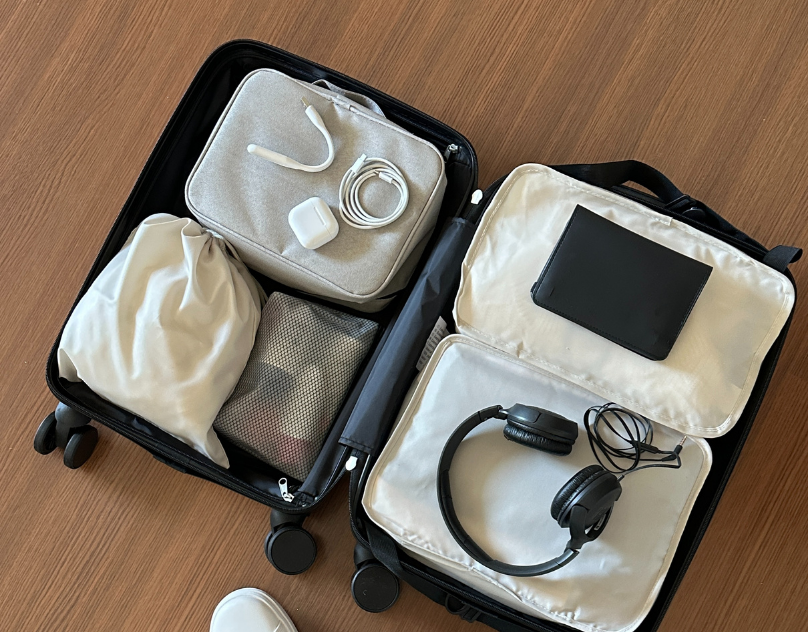
Before closing your suitcase, make sure you have the essentials.
Keep your essential documents somewhere easily accessible:
Having digital copies stored securely on your phone can also be useful.
Tip: Don’t rely exclusively on your phone. If your battery dies or you lose internet access, having important information available offline can save you a lot of stress.
Your ideal luggage depends on the type of trip you’re planning.
For a multi-city itinerary, consider:
A huge suitcase may seem convenient when packing at home, but it can become frustrating when you’re moving through busy stations, climbing stairs or changing trains.
If you can comfortably carry your luggage for a few minutes, you’ll probably appreciate it much more during the trip.
You don’t need a completely different outfit for every day.
Instead, choose a small number of versatile pieces that work together.
For example:
The exact amount depends on the length and season of your trip, but the principle is the same:
Choose versatile clothing rather than packing for every possible situation.
This is one thing you definitely shouldn’t underestimate. European city trips often involve much more walking than expected.
You may spend the morning visiting a museum, walk across the historic centre in the afternoon and then explore another neighbourhood in the evening.
Pack shoes that you already know are comfortable. Your European rail adventure is not the ideal moment to test a brand-new pair of shoes.
Train journeys can be surprisingly enjoyable when you’re prepared.
Consider packing:
A small backpack containing these items can be much more useful than constantly opening your main suitcase.
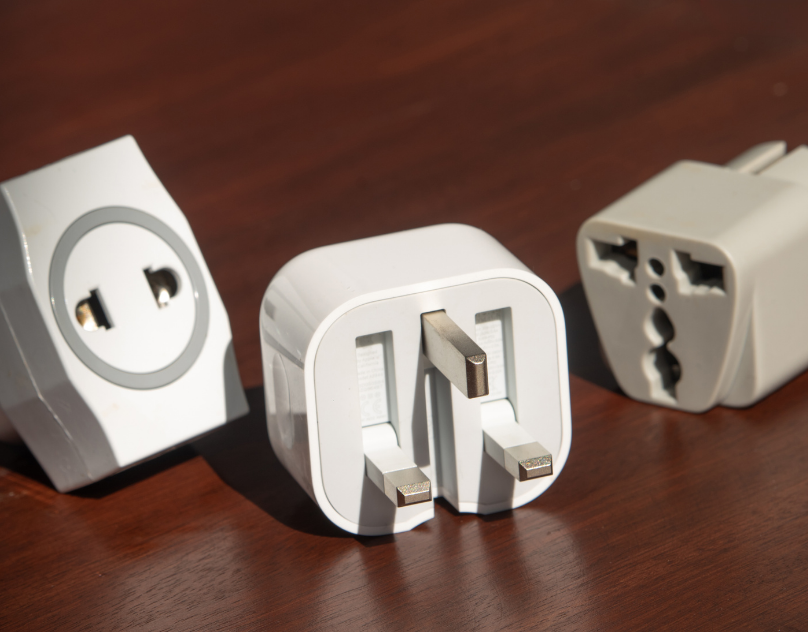
If you’re travelling between countries, check which plug type is used at your destination.
A universal travel adapter can be particularly useful if your itinerary includes several countries.
You may also want to bring:
Keeping all your electronics together in one small pouch can make finding them much easier.
Absolutely, especially for longer journeys.
A few simple snacks can be useful:
But don’t overpack food.
One of the pleasures of travelling through Europe is discovering local cafés, bakeries and restaurants at your destinations.
Sometimes the best travel snack is simply the first pastry you find after arriving in a new city.
One of the easiest ways to improve your packing is to identify what you don’t need.
Consider leaving behind:
A good rule is:
If you wouldn’t normally use it at home, you probably won’t suddenly need it on holiday.
Once you’ve arrived in a city, you probably don’t want to carry your full suitcase around.
A small backpack or crossbody bag is useful for:
This is particularly useful when you have several hours between checking out of one hotel and checking into the next.
When travelling by train, you’ll probably access your important items more often than you would on a traditional holiday.
Keep your:
Somewhere you can reach without unpacking your entire suitcase. A small organiser or travel pouch can make a big difference.

This is one of the most important things to remember.
Luggage policies are not identical across European rail operators.
Before your journey, check the conditions that apply to your specific train and ticket.
This is particularly important if your itinerary includes different operators or several countries.
Travelling with several operators during the same European trip? Our guide to the differences between train services in Europe can help you understand what to expect before you book.
→ Link: First vs second class on European trains
If you’re travelling through several countries, think about your itinerary before deciding what to pack.
For example:
London → Paris → Brussels → Amsterdam
may involve different weather, accommodation and activities during the same trip.
Layers are therefore often more useful than packing completely different outfits for each destination.
The same applies to toiletries and electronics: keep them compact and organised so that moving between hotels doesn’t become a chore.
Planning a multi-country itinerary? Our step-by-step guide to planning a European train trip can help you organise your routes, connections and destinations before you start packing.
The best question to ask before putting something into your suitcase isn’t:
“What if I need this?”
Instead, ask:
“Will I actually use this?”
That small change can dramatically reduce overpacking.
Remember that you’ll be moving between destinations, carrying your luggage through stations and potentially walking to your accommodation.
The lighter and more organised your luggage is, the easier the entire trip becomes.
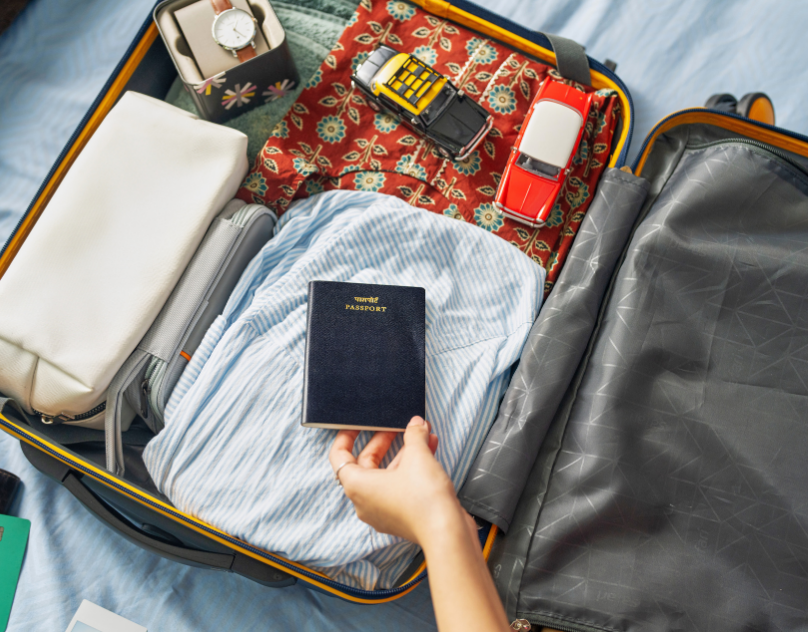
Before leaving home, check that you have:
And, most importantly, some space in your suitcase for the things you’ll discover along the way.
A European train trip gives you the freedom to move from one city to another without having to pack your entire life.
The best approach is to keep things simple: choose versatile clothing, bring only the essentials, organise your important documents and make sure you understand the luggage conditions for each journey.
Once your suitcase is ready, all that’s left is to choose your destinations.
Planning your next European rail adventure? Explore routes across Europe with RailClick and start building your journey.

Real moments from our global community of modern voyagers.