Aug 7, 2026
How to travel around Spain by train: a practical guide for first-time visitors
Spain is one of the easiest European countries to explore by train.
Read More
Travelling by train is one of the easiest ways to explore Europe. You can move between major cities, arrive directly in city centres and enjoy the journey without having to deal with airports or long road trips.
But your first European rail trip can also come with a few surprises.
Different countries, operators and ticket types can work in different ways, and small mistakes can sometimes make a journey more complicated than it needs to be.
Whether you’re planning a weekend in one country or a multi-country adventure, here are 10 common mistakes to avoid when travelling by train in Europe.
One of the easiest mistakes to make is assuming that a city only has one railway station.
Large European cities can have several stations, and your train may depart from a different location than you expect.
Before travelling, always check:
This is particularly important in cities such as Paris, London, Rome, Madrid and Barcelona.
A few minutes checking your ticket can save you a lot of stress later.
A short connection might look perfect when you’re planning your itinerary.
For example, you may find a journey with only 10 or 15 minutes between trains and think you’ve found the most efficient option.
But stations can be busy, platforms can change and your first train can be delayed.
When planning a journey with connections, consider:
A little extra time can make a big difference.
Planning a multi-country journey? Our step-by-step guide to planning a European train trip explains how to organise your routes and connections before you travel.
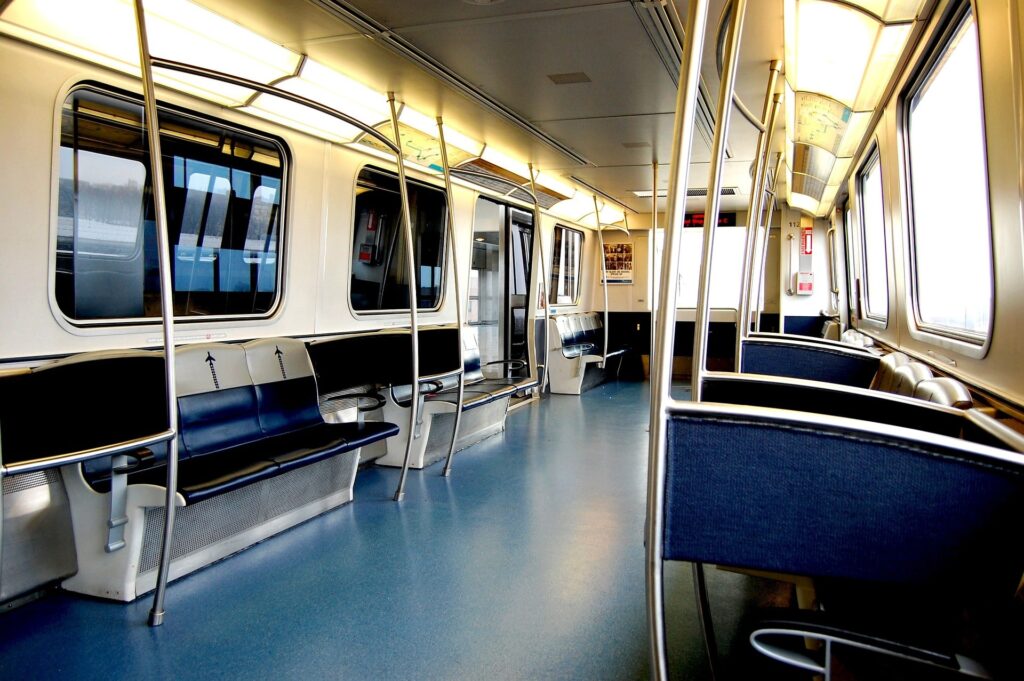
Europe has an extensive railway network, but there isn’t one single system that works exactly the same way everywhere.
You may encounter:
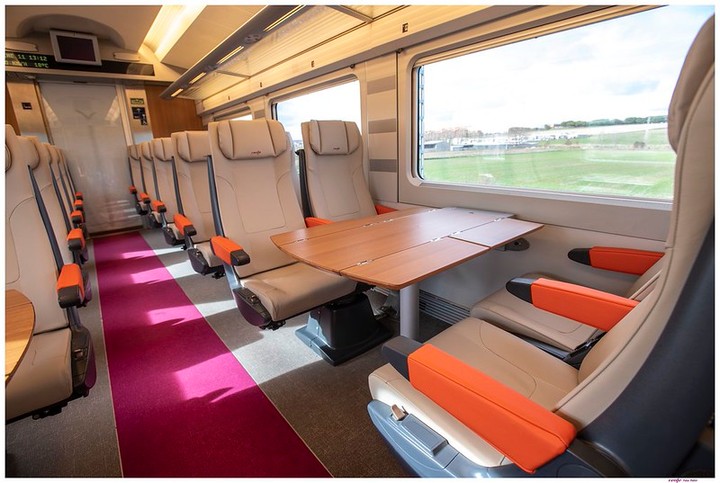
For example, the experience of travelling on a high-speed train between major Italian cities can be very different from taking a regional train through Switzerland.
Understanding what type of train you’re booking can help you choose the right journey.
Travelling in Italy? Our guide to Regionale, Frecciarossa, and Italo explains the main train types and when each is useful.
The cheapest ticket isn’t necessarily the best option for your trip.
When comparing trains, look beyond the price and consider:
A slightly more expensive train may be much more convenient if it saves you an hour, avoids a connection or arrives closer to your accommodation.
The best ticket is the one that fits your complete itinerary, not necessarily the one with the lowest price.
Before booking, take a moment to understand what your ticket allows you to do.
Depending on the service, you may find different conditions regarding:
This becomes especially important if your plans aren’t completely fixed.
If there’s a chance that you may need to change your travel date or departure, flexibility can be more valuable than the lowest available fare.

Train travel can be much more relaxed when it comes to luggage, but there isn’t one universal luggage policy for every European train.
Conditions can vary between operators and services.
Before travelling, check the rules that apply to your specific journey.
And from a practical perspective, remember that you’ll need to move your luggage through stations and potentially between trains.
A lighter suitcase can make a multi-city trip considerably easier.
Travelling across several countries? Our guide to packing for a European train trip explains what to bring, what to leave at home and how to make travelling with luggage easier.
Train travel often involves fewer steps than flying, but that doesn’t mean you should arrive at the station with only a few minutes to spare.
Give yourself enough time to:
International journeys may also involve additional procedures, so check the requirements for your specific route.
For a stress-free trip, arriving with some time to spare is almost always better than running through the station looking for your train.
Even when you plan everything perfectly, trains can occasionally be delayed or cancelled.
The problem becomes more complicated when you’re travelling with multiple connections.
If your first train is delayed, don’t immediately assume that you need to buy another ticket.
First:
The options available can depend on your ticket, operator and itinerary.
If your journey takes you through Switzerland, our guide to what to do if you miss a train in Switzerland explains the steps to take when a connection doesn’t go according to plan.

This is perhaps the biggest mistake when planning a European rail adventure.
Because travelling by train is convenient, it’s tempting to create an itinerary with a new city every day.
But remember that every move involves:
Instead of trying to visit eight cities in seven days, choose a few destinations and give yourself time to actually experience them.
For example:
Rome → Florence → Venice
can be much more enjoyable than constantly moving from one destination to another.
Train travel isn’t just about getting from A to B.
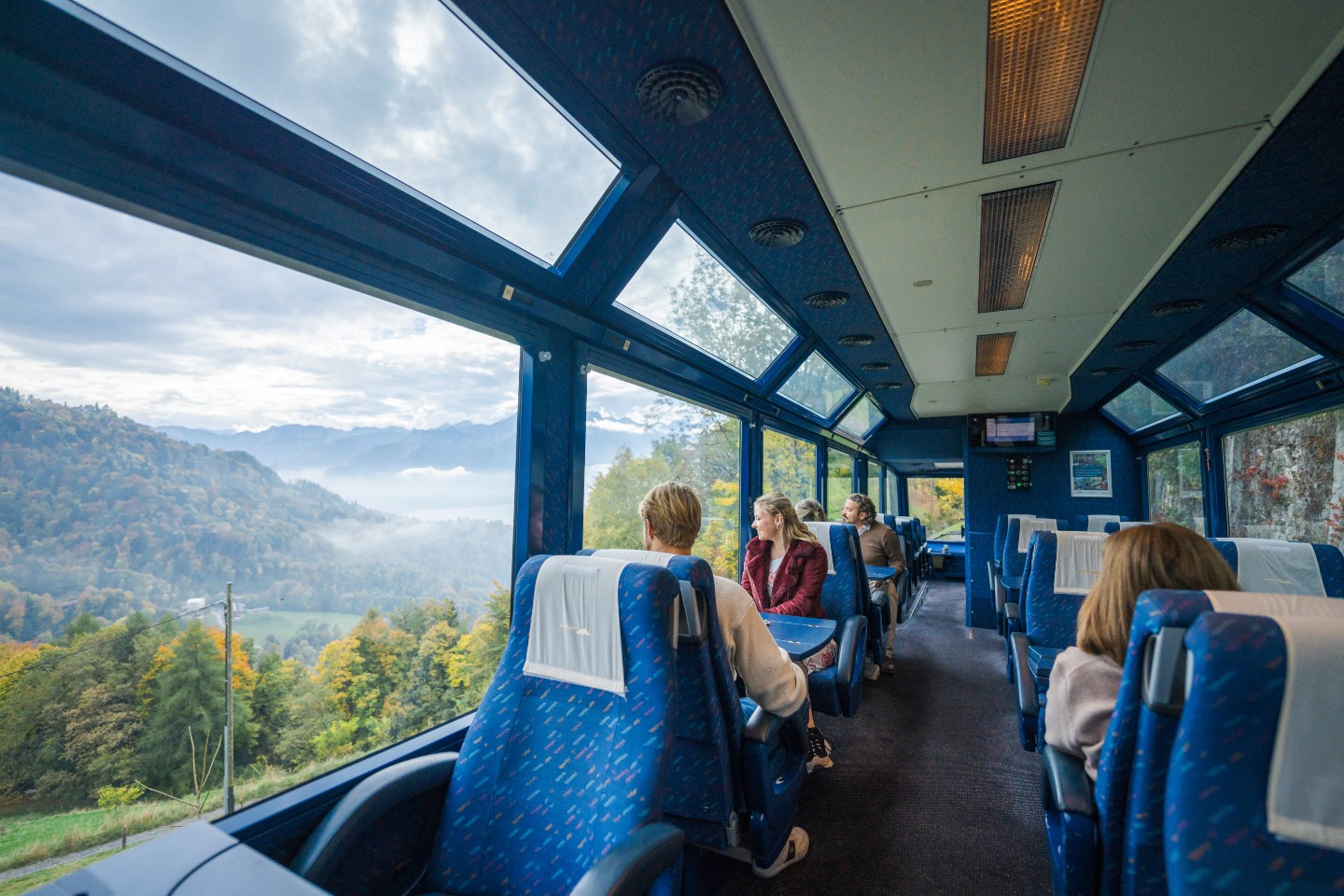
One of the great advantages of travelling by rail is that you can actually enjoy the journey.
Depending on your route, you may travel through:
Instead of treating the train as time you need to “get through”, take advantage of it.
Read a book, listen to music, watch the landscape or simply relax.
Sometimes the most memorable part of a trip happens between two destinations.
A simple pre-travel checklist can prevent many of these mistakes.
Before leaving for the station, check:
If you’re travelling across several countries, also make sure you understand how each part of your itinerary works.
Don’t panic.
If your train is delayed, cancelled or you miss a connection, the first step is to check your options before making a new booking.
Keep your ticket, booking reference and any notifications relating to the disruption.
If you booked through a reseller or booking platform, check the booking information to understand who you should contact for assistance.
The solution can depend on the operator, ticket and circumstances of the disruption, so avoid assuming that every European train journey follows the same rules.
The best way to avoid mistakes is to think about your entire journey, rather than booking each train independently.
Before purchasing your tickets, consider:
This approach can help you create a trip that is not only cheaper or faster, but also much easier to enjoy.
Travelling by train around Europe is generally straightforward, but a little preparation can make the experience considerably better.
The most important things to remember are simple:
Check your station. Check your ticket. Leave enough time for connections. Pack sensibly. And don’t try to do too much.
Once you’ve taken care of the practical details, you can focus on what really matters: discovering new cities, enjoying the scenery and making the journey part of the adventure.
Planning your next European rail adventure? Explore routes across Europe with RailClick and travel smarter from the very beginning.

Real moments from our global community of modern voyagers.