Is it cheaper to travel in Europe by train or plane (complete comparison)
When planning a trip across Europe, many travellers ask the same question: is it cheaper to travel by train or by plane?
The answer depends on several factors — including distance, booking time, and travel style. While flights may seem cheaper at first glance, trains often offer better overall value when you consider the full experience.
Quick answer
Flights can sometimes be cheaper for long distances, but trains are often more convenient, flexible, and cost-effective for short to medium routes across Europe.
Train vs plane in Europe: key differences
When comparing train and air travel, it’s important to look beyond the ticket price.
Price
- Flights can be cheaper if booked early or with low-cost airlines
- Train tickets vary, but offer more stable pricing
City access
- Trains arrive in city centres
- Airports are usually outside the city (extra time + cost)
Total travel time
- Flights are faster in the air
- Trains are often faster door-to-door on shorter routes
Luggage
- Trains allow more luggage with fewer restrictions
- Airlines often charge extra for bags
Experience
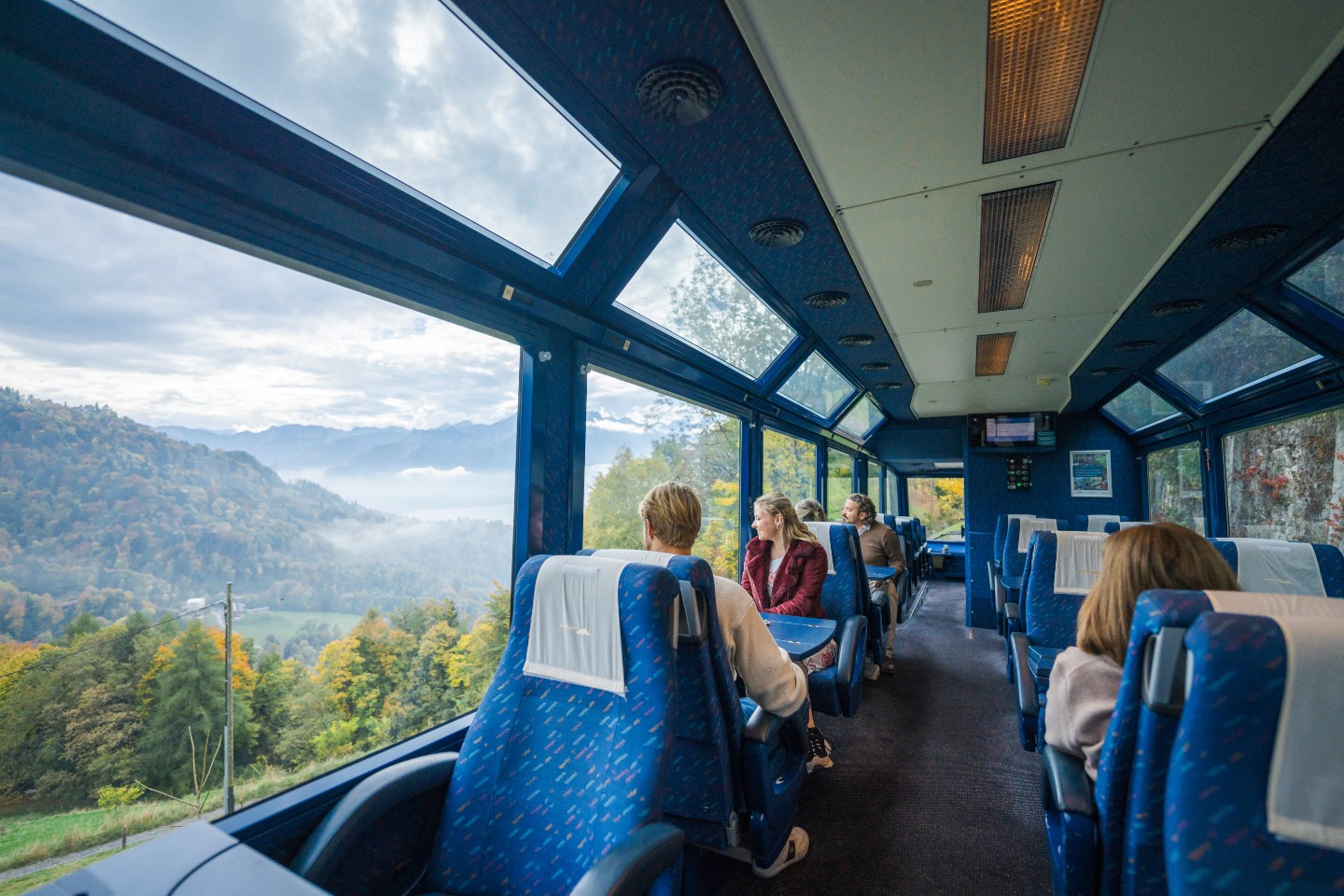
- Trains offer scenic views and a more relaxed journey
- Flights are faster but more restrictive
When is the train cheaper than flying
Train travel is often more cost-effective when:
- Travelling between cities that are 4–5 hours apart
- Avoiding baggage fees
- Factoring in airport transfers
- Booking flexible or last-minute tickets
For many travellers, trains provide better value overall — not just lower prices.
Popular routes where train beats plane:
These are some of the most common routes where train travel is often the better option:
Travel time: ~3h 20min
City centre to city centre, with no airport transfers — often faster and more convenient than flying.
Travel time: ~1h 30min
High-speed trains make this route significantly easier than flying.
Travel time: ~2h 30min
A perfect example where the train is faster door-to-door and avoids airport delays.
Travel time: ~2h 40min
No need for flights — trains offer a direct and comfortable connection.
When flying might be cheaper
Flights may be a better option when:
- travelling long distances (e.g., Spain → Eastern Europe)
- booking ultra-low-cost fares
- travelling with minimal luggage
However, additional costs (bags, transfers, time) often reduce the price advantage.
Hidden costs of flying
Many travellers overlook the extra costs of flights:
- airport transfers (time + money)
- baggage fees
- security and boarding time
- delays and restrictions
When you include these factors, trains often become the more efficient option.
Why do many travellers choose trains in Europe
Train travel offers advantages that go beyond price:
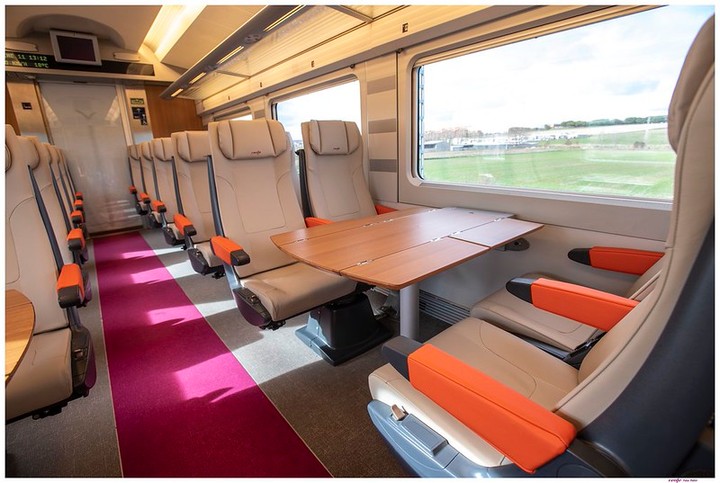
- more comfortable journeys
- fewer restrictions on luggage
- scenic routes across Europe
- easier boarding and less stress
For many travellers, the experience itself becomes part of the trip.
How to compare train and flight options easily
Platforms like RailClick allow you to:
- Compare train routes across Europe
- Check travel times and prices
- Plan multi-city journeys
- Book tickets in one place
This makes it easier to decide whether a train or a plane is the best option for your trip.
Final thoughts
Travelling by plane may seem cheaper at first, but trains often offer better overall value — especially for short and medium distances in Europe.
With faster city-centre connections, fewer restrictions, and a more enjoyable experience, train travel is increasingly becoming the preferred choice for exploring Europe.