Planning a European trip can be surprisingly difficult. There are so many cities to choose from that it’s tempting to add as many destinations as possible.
But seeing more cities doesn’t always mean enjoying more of Europe. The key is finding the right balance between exploring and moving.
If you’re travelling by train, here’s a simple guide to help you decide how long to stay in some of Europe’s most popular cities.
How many days should you spend in a European city?
As a general rule:
- 1 day: Good for a quick stop, but you’ll need to prioritise.
- 2–3 days: Ideal for most city breaks.
- 4–5 days: Better if you want to explore at a slower pace.
- A week or more: Worth considering for larger cities or if you’re using the destination as a base for day trips.
Your ideal stay will also depend on how much time you have and how many cities you want to visit.
How long should you stay in Paris?
Recommended: 3–4 days
Paris has enough museums, neighbourhoods, monuments and cafés to keep you busy for several days.
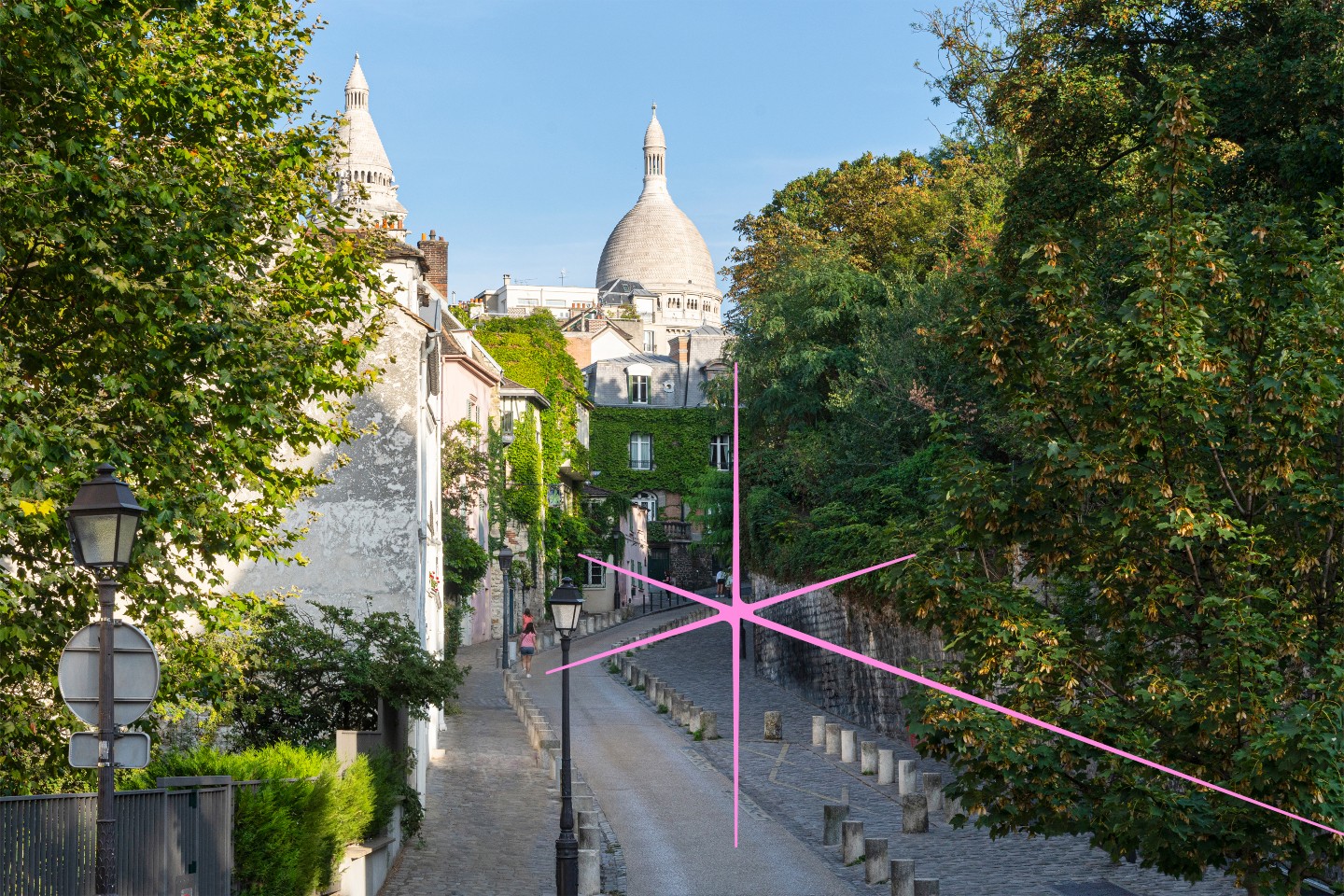
With three days, you can cover highlights such as the Eiffel Tower, Louvre, Montmartre, the Seine and the historic centre without trying to see everything.
If you’re arriving by Eurostar from London, a 2–3 night city break can work particularly well.
How long should you stay in Rome?
Recommended: 3–4 days
Rome deserves time.
With three days, you can explore the Colosseum and Roman Forum, visit Vatican City, discover the historic centre and still leave some time to enjoy the city’s food and neighbourhoods.
Trying to see Rome in just one day is possible, but you’ll spend most of your time moving from one attraction to another.
How long should you stay in Barcelona?
Recommended: 3 days
Three days gives you enough time to experience Barcelona’s architecture, historic neighbourhoods, food and Mediterranean atmosphere.
You can combine major sights such as the Sagrada Família and Park Güell with time around the Gothic Quarter, El Born or the beach.
Barcelona is also a great starting point for exploring other destinations in Spain by train.

How long should you stay in Amsterdam?
Recommended: 2–3 days
Amsterdam is compact enough to explore in a few days.
You can visit the canals, museums and historic centre while still having time to explore neighbourhoods such as Jordaan or De Pijp.
Because Amsterdam has excellent international rail connections, it also works well as part of a multi-city European itinerary.
Don’t spend your entire trip changing cities
One of the biggest mistakes when planning a European rail trip is trying to fit too many destinations into a short holiday.
Remember that changing cities involves more than the train journey itself.
You’ll also need time to:
- Check out of your accommodation.
- Get to the station.
- Travel.
- Find your accommodation.
- Check in again.
- Get oriented in the new city.
If you have seven days, three cities may be more enjoyable than five.
🔗 Internal linking bridge
Planning a week in Italy? Our 7-day Italy by train itinerary shows how you can combine Rome, Florence and Venice while keeping the journey manageable.
How train travel can help you see more without rushing
One of the advantages of travelling by train is that many major European cities are connected by relatively fast services.
This makes it possible to combine destinations without losing an entire day to transportation.
For example:
London → Paris → Brussels → Amsterdam
can become a realistic multi-city itinerary if you plan your time carefully.
The important thing is to think about how much time you want to spend exploring versus travelling.
Slow travel vs. seeing more
There are two good ways to approach a European trip.
Slow travel means staying longer in fewer destinations and getting to know them more deeply.
A faster itinerary means visiting more cities and experiencing a wider variety of places.
Neither is necessarily better.
If it’s your first time in Europe, a balanced itinerary might be the best option: choose a few key destinations and give yourself enough time to enjoy each one.

A simple rule for planning your itinerary
Before adding another city to your trip, ask yourself:
“Will I have enough time to actually enjoy it?”
If the answer is no, consider staying longer in the destinations already on your list.
A good European train trip isn’t about collecting as many cities as possible. It’s about creating a journey that feels enjoyable from beginning to end.
Final thoughts
There is no perfect number of days for every European city, but 2–4 days is a good starting point for most major destinations.
When travelling by train, take advantage of the excellent connections between cities—but don’t let that convenience tempt you into creating an exhausting itinerary.
Choose your destinations, leave enough time to explore them and remember that the best trip isn’t necessarily the one with the most stops.
Planning your next European rail adventure? Explore routes with RailClick and build an itinerary that gives you more time to discover Europe.